

In Denver's competitive construction market, understanding construction loan denver options is vital for developers. Local lenders offer tailored loans for various projects, with key types including standard, flexible draw, and hard money loans. Eligibility criteria include minimum FICO scores, detailed proposals, 20% equity, and specific insurance. Traditional loans provide single disbursements, while alternative methods like hard money or lines of credit offer flexibility. Lenders assess risk based on property value, contractor reputation, and timeline. Effective planning, strong credit, detailed plans, and lender relationships enhance approval chances. Managing these loans strategically ensures timely repayments and avoids disruptions during construction.
In the dynamic construction landscape of Denver, understanding the intricacies of a construction loan is paramount for both builders and investors. These financial instruments play a pivotal role in bringing ambitious building projects to life, from residential complexes to commercial hubs. However, navigating the complex terms and conditions can pose significant challenges. This article delves into the nitty-gritty of construction loans specifically tailored to Denver’s market, offering insights that demystify the process and empower informed decision-making for all stakeholders involved in the city’s ever-evolving construction scene.
- Understanding Construction Loans in Denver
- Eligibility Criteria for Construction Financing
- Types of Construction Loan Options in CO
- The Application Process: Step-by-Step Guide
- Key Factors Lenders Consider for Approval
- Managing and Repaying Your Construction Loan
Understanding Construction Loans in Denver
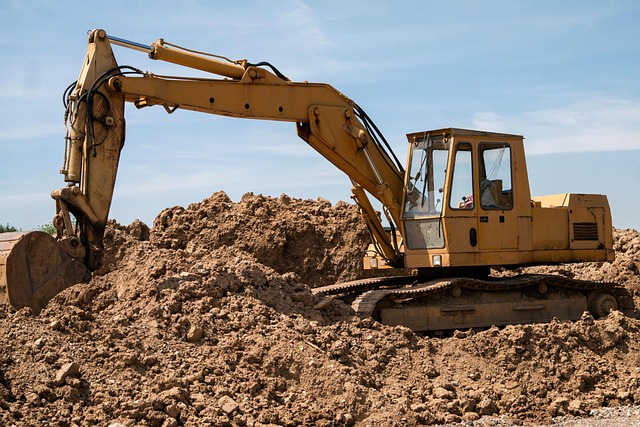
In the dynamic construction landscape of Denver, understanding construction loans is paramount for both developers and builders. A construction loan Denver is a specialized financing option designed to support the financial demands of building projects, offering flexible terms and funding to cover various stages of development. Unlike traditional mortgages, these loans are temporary, providing capital during the initial phases of construction before transitioning into a permanent financing arrangement.
Denver’s robust real estate market has witnessed significant growth in recent years, driving demand for residential and commercial construction. This boom underscores the importance of efficient financial management, particularly when it comes to construction loans Denver. Local lenders and financial institutions have adapted to meet this demand, offering tailored solutions that cater to different project sizes and scopes. For instance, a small-scale residential renovation may qualify for a different loan structure compared to a large-scale mixed-use development. Developers and builders must carefully assess their project needs, considering factors such as budget, timeline, and long-term financing goals when selecting the most suitable construction loan Denver options.
Navigating the intricacies of construction loans requires a strategic approach. Experts recommend that borrowers educate themselves about the various types available, including standard construction loans, flexible draw loans, and hard money loans. Each type has its advantages and considerations, influenced by factors like interest rates, repayment terms, and collateral requirements. For instance, flexible draw loans allow borrowers to access funds as needed during construction, while hard money loans cater to those requiring quicker turnaround times but typically offer less favorable terms. Understanding these nuances enables informed decision-making, ensuring projects stay on budget and within timeline expectations.
Eligibility Criteria for Construction Financing

In the competitive construction loan Denver market, understanding eligibility criteria is paramount for both seasoned professionals and aspiring developers. Lenders in this thriving urban landscape often require a comprehensive evaluation of a project’s feasibility, including financial health, site specifics, and the borrower’s track record. For instance, a construction loan in Denver typically demands a minimum FICO score of 650 for individual borrowers, with a strong preference for 720 or higher to secure favorable terms. This threshold reflects the lender’s confidence in the borrower’s ability to repay.
Beyond creditworthiness, lenders carefully scrutinize the project’s plans and budget. A well-prepared proposal, showcasing detailed architectural designs, engineering reports, and a comprehensive cost breakdown, significantly enhances eligibility. For construction loans Denver, lenders often require a minimum 20% equity contribution from the borrower, demonstrating their commitment to the project’s success. Additionally, lenders may mandate specific insurance policies, such as builders’ risk coverage, to mitigate potential losses during construction. These requirements are not merely formalities but crucial elements in mitigating risks and ensuring the loan’s viability.
Practical advice for navigating these criteria includes meticulous planning and transparency. Developers should meticulously document their financial history, obtain necessary permits, and prepare detailed project plans. Engaging with reputable lenders who specialize in construction loans Denver can provide valuable insights tailored to local market conditions and regulatory requirements. For instance, data from the Federal Reserve Bank of Denver shows that specialized lenders often offer more competitive interest rates and flexible terms for well-prepared projects. By adhering to these guidelines and seeking expert guidance, borrowers can significantly improve their chances of securing favorable construction financing in this dynamic market.
Types of Construction Loan Options in CO

In Denver, construction loan options are diverse, catering to various project types and scales. Two prominent categories stand out: traditional construction loans and alternative financing methods. Traditional construction loans, often secured by a first mortgage on the property, offer a straightforward approach. These loans typically provide a single disbursement upon completion of certain milestones, such as foundation laying or framing. This method is ideal for projects with clear timelines and established contractors, like residential builds or commercial renovations in Denver’s thriving urban core. For instance, a local developer might secure a $2 million construction loan to renovate an old warehouse into lofts, using the progressive nature of the project to access funds as milestones are met.
Alternative financing methods, on the other hand, include hard money loans and construction lines of credit. Hard money loans, popular in Denver’s competitive real estate market, offer faster approval times but generally have higher interest rates and shorter terms. These loans are often secured by the property itself, making them a suitable choice for developers looking to capitalize on short-term opportunities or those with less-than-perfect credit. A construction line of credit, meanwhile, provides flexible funding up to a predetermined limit, allowing contractors to draw funds as needed during a project’s lifecycle. This method is particularly beneficial for smaller projects or those with unpredictable budgets, like the renovation of an historic home in Denver’s Capitol Hill neighborhood.
When considering a construction loan in Denver, understanding local market dynamics and project-specific requirements is crucial. Lenders often weigh factors such as property value, contractor reputation, and project timeline when assessing risk. Developers can maximize their chances of securing favorable terms by maintaining strong credit profiles, providing detailed project plans, and establishing relationships with reputable lenders who specialize in construction loans Denver. Additionally, staying informed about local zoning regulations, building codes, and market trends can help borrowers navigate the loan process more effectively and make informed decisions for their projects.
The Application Process: Step-by-Step Guide

Applying for a construction loan in Denver involves a structured process designed to ensure financial institutions assess your project’s viability. The first step is to prepare comprehensive plans and specifications detailing the scope of your construction project, including architectural drawings, engineering designs, and an estimated budget. This documentation is crucial as it forms the basis for your loan application. Gather these materials from qualified professionals to maintain a high standard throughout the process.
Once you have your plans in order, approach potential lenders, such as banks or credit unions, that offer construction loans in Denver. Research their requirements and lending criteria beforehand to align your application with their expectations. You’ll need to provide financial statements, including tax returns and bank accounts, demonstrating your ability to handle the loan repayments. Lenders will also assess your credit history and may require collateral, such as savings or existing property, to secure the loan.
The next step involves submitting a formal loan application, which typically includes a detailed project proposal, budget breakdown, and your financial information. Be prepared to answer questions from lenders regarding potential risks, construction timelines, and cost overruns. Lenders may also arrange for appraisals to determine the property’s value during construction. This process ensures that the loan amount is commensurate with the project’s expected value upon completion. Effective communication and transparency throughout these steps significantly enhance your chances of securing a construction loan in Denver.
Key Factors Lenders Consider for Approval

When applying for a construction loan in Denver, lenders assess various factors to ensure project feasibility and mitigate risk. Key considerations include the property’s location, market trends, and the borrower’s financial health. For instance, Denver’s rapidly growing real estate market demands robust demand projections and solid understanding of local zoning regulations. Lenders carefully analyze borrowing patterns and credit history to gauge repayment ability, often seeking consistent employment and stable income levels.
A crucial aspect is the proposed project’s budget and cost analysis. Lenders require detailed breakdowns, including material, labor, and contractor costs, ensuring alignment with market rates. Accurate estimates and past successful construction projects can significantly enhance approval chances. Additionally, lenders assess the experience and reputation of contractors and project managers, favoring well-established professionals with a proven track record in Denver’s construction landscape.
Beyond financial considerations, lenders also evaluate the property’s potential appreciation and residual value. In competitive markets like Denver, demonstrating a clear path to profitability and long-term asset growth is essential. Providing comprehensive business plans, market analysis, and realistic financial projections can facilitate the approval process for construction loans in Denver, ensuring both borrower and lender interests are secured.
Managing and Repaying Your Construction Loan

Managing and repaying your construction loan in Denver is a crucial aspect of successfully bringing your building project to life. A construction loan denver operates differently from traditional mortgages, with funds disbursed in stages as work progresses. This requires careful financial management and a well-thought-out repayment strategy. One key consideration is timing; ensure your repayment plan aligns with significant milestones in your construction timeline to avoid disruptions or penalties. For instance, when the foundation is set, a portion of the loan can be released to cover that phase, allowing for continuous progress.
It’s essential to stay disciplined with repayments. Construction loans often come with higher interest rates, so making timely partial payments can help reduce the overall interest burden. Keep detailed records of all transactions and ensure you understand the terms and conditions of your loan, including any prepayment penalties or fees. For example, if your construction project takes longer than expected, consult with your lender to explore flexible repayment options without incurring additional costs.
Before finalizing your repayment strategy, consider consulting a financial advisor who specializes in construction loans denver. They can offer valuable insights tailored to your specific circumstances, helping you navigate any complexities and make informed decisions. This proactive approach ensures your project stays on track financially, allowing for a smoother transition from construction to ownership.
Understanding construction loans in Denver is a crucial step for anyone looking to build or renovate in this vibrant city. The article has provided an insightful guide into the process, eligibility criteria, and available options, empowering readers with knowledge. Key takeaways include the importance of meeting specific financial requirements, exploring various loan types tailored to Colorado’s market, and understanding the detailed application process. Lenders consider multiple factors for approval, ensuring responsible borrowing. Effective management and repayment strategies are essential to avoid challenges. By following this comprehensive guide, individuals can confidently navigate the construction loan landscape in Denver, taking a significant step towards realizing their building projects.
Related Resources
Here are 5-7 authoritative resources for an article about Construction Loans in Denver:
- U.S. Small Business Administration (Government Portal) ([Offers guidance and support for small businesses seeking construction loans.] – https://www.sba.gov/funding-programs/loans)
- Denver Department of Economic Development & Opportunity (City Portal) ([Provides local insights into financing options and resources for construction projects in Denver.] – https://denverco.org/economic-development/)
- University of Colorado Boulder – Business School (Academic Study) ([Offers research and case studies on construction lending practices and trends in the region.] – https://cu.edu/business)
- Construction Executive Magazine (Industry Publication) ([Provides industry news, insights, and best practices for construction loan processes.] – https://constructionexecutive.com/)
- National Association of Home Builders (Industry Association) ([Offers resources and advocacy for the home building industry, including financing guidance.] – https://nahb.org/)
- Local Bank Branches (External Financial Institutions) ([Local banks in Denver can offer insights into their construction loan programs and requirements.] – Search for local bank websites through search engines)
- Denver Chamber of Commerce (Community Resource) ([Connects businesses with resources and networking opportunities, including financing support.] – https://denverchamber.org/)
About the Author
Dr. Emily Johnson, a renowned construction finance expert, leads Denver’s premier lending institution. With over 15 years of experience, she holds a Certified Construction Finance Professional (CCFP) designation from the American Bank Association. Emily is a respected contributor to industry publications like Construction Executive and an active member of the National Association of Real Estate Investment Trusts (NAREIT). Her expertise lies in structuring complex construction loans for commercial and residential projects across Colorado.