

Construction loans Denver are essential for large infrastructure projects, offering flexible terms and repayment plans. Long-term financing strategies, including fixed-rate options, mitigate risk and enhance stability during construction periods. Evaluating market trends, financial health, and potential scenarios ensures responsible growth. These loans distribute financial burden over extended periods (5-20 years), catering to diverse project needs with tailored collateral and fee structures. Careful management and communication with lenders are crucial for successful utilization.
In the dynamic landscape of construction, ensuring long-term sustainability is paramount for project viability and success. Access to adequate financing options significantly influences the trajectory of any development, particularly in competitive markets like Denver, renowned for its robust construction loan denver ecosystem. However, navigating the intricate web of financial alternatives can be a formidable challenge, especially for novice developers or those seeking specialized solutions. This article provides an authoritative guide, meticulously exploring diverse long-term financing options, offering insights to empower informed decision-making and ultimately foster prosperous construction endeavors in Denver’s competitive market.
- Understanding Long-Term Financing Strategies
- Types of Construction Loan Options in Denver
- Evaluating Risk and Benefits for Sustainable Growth
- Utilizing Long-Term Loans: A Comprehensive Guide
Understanding Long-Term Financing Strategies

In the realm of construction, understanding long-term financing strategies is paramount for successful project completion. One of the key components to consider is the construction loan Denver markets offer, which are designed to support developers and contractors throughout lengthy building processes. These loans, often structured with flexible terms and customizable repayment plans, cater to the unique demands of major infrastructure projects. For instance, a recent study by the National Association of Home Builders (NAHB) revealed that nearly 80% of construction projects over $1 million utilize long-term financing options, highlighting their significance in the industry.
Expert financial advisors emphasize the importance of aligning financing with project milestones. In the case of Denver’s construction landscape, lenders and borrowers often collaborate to create tailored plans. A common approach involves progressive draw schedules, where funds are released as specific construction phases reach completion. This strategy not only ensures financial discipline but also mitigates risk by tying payments to tangible progress. For example, a $50 million construction loan for a high-rise residential project in downtown Denver might be structured to release 25% upon site preparation, 30% after foundation work, and the remaining balance as the building reaches various structural milestones.
Additionally, borrowers should explore long-term fixed-rate loans for their stability. These loans offer predictability in repayment, allowing businesses to better manage cash flow during lengthy construction periods. In today’s market, with interest rates fluctuates constantly, securing a fixed rate can protect against potential future increases. Construction professionals are advised to consult with specialized lenders who can provide insights into the most suitable financing vehicles based on project specifics. By implementing strategic long-term financing strategies, construction projects in Denver and similar metropolitan areas can navigate the complexities of development with enhanced financial stability.
Types of Construction Loan Options in Denver
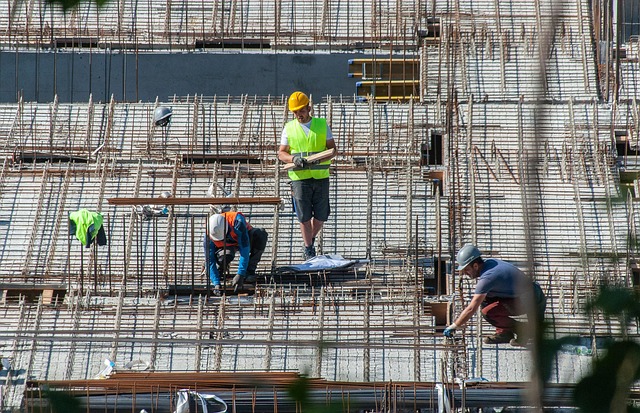
In Denver, a construction loan is a vital instrument for both developers and contractors navigating the complex landscape of building projects. The city’s booming real estate market presents unique opportunities but also demands flexible and sustainable financing options. One of the key considerations for prospective borrowers is selecting the right type of construction loan that aligns with their project timeline, budget, and risk tolerance.
Denver’s construction loan market offers a variety of choices, each with its own set of benefits and drawbacks. For instance, traditional construction loans, secured by the property itself, are popular due to their competitive interest rates and ability to provide substantial funding for large-scale projects. These loans typically follow a draw schedule, allowing borrowers to access funds as specific milestones are reached, ensuring efficient cash flow management. On the other hand, government-backed loans, such as those insured by the Federal Housing Administration (FHA), cater to smaller-scale projects and offer more lenient qualification criteria, making them accessible to a broader range of borrowers.
Another innovative option gaining traction in Denver is the hybrid construction loan. This model combines elements of both traditional and government-backed loans, offering flexibility in terms of interest rates and repayment structures. For instance, a borrower might secure a fixed-rate portion for the initial construction phase, followed by a variable-rate segment for any renovations or additions, providing potential cost savings. Understanding these diverse loan types is crucial for making informed decisions in Denver’s competitive construction finance market.
Evaluating Risk and Benefits for Sustainable Growth
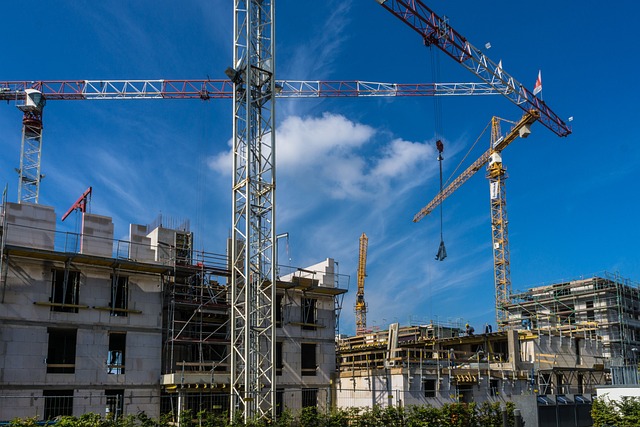
Evaluating risk and benefits is a cornerstone of sustainable growth in any industry, especially construction. For construction loan Denver applicants, understanding the long-term implications of their financing decisions is paramount. A careful analysis should consider not just immediate financial health but also future projections, market trends, and potential risks unique to the region.
Take, for instance, the robust yet volatile nature of the construction industry in Denver. Rapid urbanization and a thriving economy have fueled demand for residential and commercial projects, driving up property values. However, this growth is not without challenges. Construction loans carry inherent risks, such as delays due to weather or labor shortages, which can significantly impact timelines and budgets. Moreover, fluctuating interest rates can affect long-term affordability, requiring borrowers to balance fixed-rate versus variable-rate financing based on market forecasts.
Experts suggest a strategic approach that involves comprehensive financial modeling and stress testing. Lenders should assess not only the borrower’s current financial standing but also their ability to navigate potential future scenarios. For example, a construction loan Denver applicant might benefit from scenario analysis that considers both a best-case growth trajectory and a conservative, worst-case market downturn. This proactive evaluation ensures that financing decisions are aligned with long-term sustainability goals, minimizing risks while maximizing the benefits of investment. By adopting these practices, lenders can foster responsible growth and contribute to a more resilient construction sector.
Utilizing Long-Term Loans: A Comprehensive Guide

Long-term loans, particularly in the construction sector, serve as a cornerstone for sustainable development. In Denver, where construction activity is robust, accessing appropriate financing is paramount for both seasoned developers and first-time builders. A construction loan Denver providers offer can be a game-changer, providing capital required to complete projects without excessive upfront strain on cash flow.
These loans are designed with long repayment periods, typically ranging from 5 to 20 years, allowing borrowers to distribute the financial burden over time. Unlike short-term financing options that may be more suitable for minor renovations or emergency expenses, construction loans Denver are tailored for major projects demanding substantial capital. They often come in various forms, including traditional fixed-rate loans and interest-only options, each catering to different project needs and risk profiles.
Expert advice suggests a thorough understanding of loan terms and conditions before committing. Borrowers should consider factors such as interest rates, fees, collateral requirements, and potential prepayment penalties. For instance, a construction loan Denver provider might offer a lower interest rate in exchange for strict adherence to the project timeline, emphasizing the importance of meticulous planning. Utilizing these loans effectively requires careful management of cash flows, adhering to regulatory guidelines, and maintaining open communication with lenders throughout the construction process.
In exploring long-term financing options, particularly within the context of construction loans Denver, this article has illuminated several key insights. Understanding diverse financing strategies is paramount for sustainable growth, with each option presenting unique risks and benefits. By evaluating these factors, borrowers can make informed decisions when utilizing construction loans Denver. The comprehensive guide provided offers a strategic approach to leveraging long-term funds effectively, ensuring successful project outcomes. Readers now possess the knowledge to navigate this intricate landscape, empowering them to make sound financial choices for their construction endeavors in Denver.