
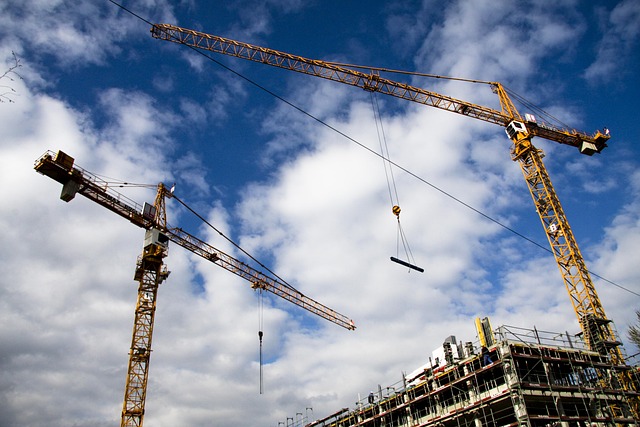
Securing a construction loan Denver requires understanding local market dynamics, meeting lender requirements, and demonstrating borrower creditworthiness. Key steps include preparing detailed project plans, conducting market analysis, maintaining open communication with lenders, and adhering to post-approval guidelines. Successful navigation of the Denver construction loan market fosters development in the city's vibrant real estate landscape.
In the dynamic landscape of real estate, commercial property construction funding stands as a cornerstone for business growth and urban development. As Denver’s bustling metropolis continues to expand, understanding access to capital for such ventures is paramount. The challenge lies in securing robust financing options that align with the unique requirements of commercial construction projects. This article delves into the intricacies of this process, offering a comprehensive guide to navigating the intricate world of construction loans in Denver. We’ll explore innovative strategies and insights, ensuring professionals have the tools to make informed decisions and unlock the potential of their ambitious building ventures.
- Understanding Construction Loan Requirements in Denver
- Navigating Funding Options for Commercial Projects
- Securing a Construction Loan: Step-by-Step Guide Denver
Understanding Construction Loan Requirements in Denver
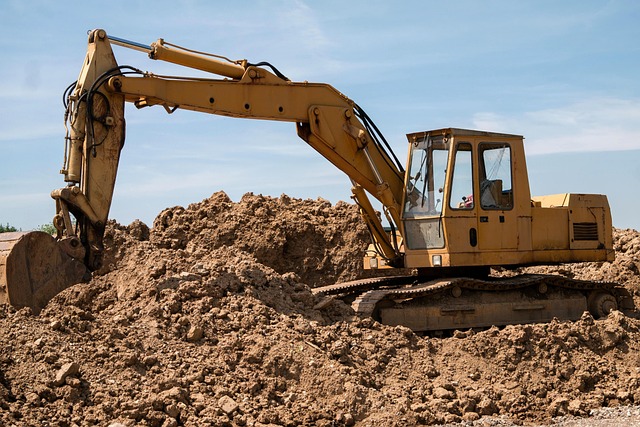
Securing funding for commercial property construction in Denver requires a deep understanding of local market dynamics and specific loan requirements. Construction loans denver are tailored to meet the unique needs of developers, architects, and contractors navigating the vibrant yet competitive landscape of the city’s real estate sector. Key factors that lenders consider include project scope, location-specific risk, and borrower creditworthiness. For instance, a high-rise office development in downtown Denver presents different challenges than a mixed-use project on the outskirts, with each requiring customized financing strategies.
Denver’s construction loan denver market is characterized by stringent regulations aimed at ensuring project viability and minimizing default risks. Lenders meticulously assess project plans, financial projections, and comparable sales data to determine loan-to-value ratios and interest rates. Borrowers should anticipate providing detailed business plans, architectural drawings, and cost estimates as part of their application packages. According to recent industry reports, the average construction loan denver size for commercial projects in Denver ranged between $5 million and $20 million, with interest rates typically floating around 4-6% depending on market conditions.
To navigate this process successfully, borrowers should seek expert advice from experienced lenders or brokers familiar with the local market. Proactive communication with lenders throughout the planning stage can help identify potential hurdles and secure more favorable terms. Additionally, demonstrating a solid understanding of construction timelines, cost overruns, and market fluctuations can strengthen loan applications. By adhering to these practices, commercial property developers in Denver can effectively manage their funding requirements and contribute to the city’s dynamic real estate tapestry.
Navigating Funding Options for Commercial Projects

Navigating the complex landscape of commercial property construction funding is a critical step for any developer or investor. In vibrant markets like Denver, where construction loan demands are high, understanding the diverse funding options becomes essential. The city’s booming economy and steady population growth have fueled a surge in commercial projects, making access to tailored financing solutions even more crucial.
One of the primary methods for commercial developers is securing construction loans, which provide working capital during the building phase. These loans typically offer flexible terms and are structured to align with project milestones. For instance, lenders in Denver often provide interim funding as the project progresses, allowing developers to access capital at different stages, from initial site preparation to subsequent construction phases. According to recent industry reports, the commercial real estate market in Denver has shown remarkable resilience, with a significant increase in construction loan applications over the past two years. This trend highlights the growing need for developers to strategically manage their funding options.
When exploring construction loan denver options, borrowers should consider the various types available, each with its advantages and considerations. Traditional lenders, such as banks, offer conventional construction loans with established criteria. Alternatively, non-traditional financing platforms have emerged, providing speedier approval processes and innovative funding models tailored to specific project needs. For instance, some online lenders utilize advanced algorithms for risk assessment, enabling quicker loan decisions. However, borrowers should carefully evaluate terms, interest rates, and potential hidden fees to ensure the most favorable conditions. Expert advice suggests that a comprehensive understanding of market trends and meticulous financial planning can significantly enhance a borrower’s position when securing construction funding in competitive markets like Denver.
Securing a Construction Loan: Step-by-Step Guide Denver

Securing a construction loan in Denver involves a meticulous process designed to safeguard both investors and lenders. This step-by-step guide illuminates the key considerations and actions required for a successful funding journey in the vibrant Denver market. Firstly, prospective borrowers must prepare comprehensive project plans and financial forecasts. This includes detailed architectural blueprints, cost estimates, and a thorough understanding of the property’s potential value upon completion. In Denver, where the commercial real estate scene is dynamic, lenders often seek evidence of market demand for the proposed development. Accurate analysis of comparable properties and sales data can significantly enhance loan applications.
Once the documentation is in order, borrowers should approach established financial institutions specializing in construction loans Denver has to offer. Lenders will carefully evaluate the project’s feasibility, assessing risk through site visits, expert consultations, and a thorough review of all submitted materials. This process ensures that the construction loan aligns with both the borrower’s objectives and the lender’s risk appetite. A strong relationship with a reputable lender can streamline this process, as they may provide guidance on necessary adjustments to strengthen the application.
Loan approval secured, borrowers enter the implementation phase. Regular progress updates, including detailed financial reports, are crucial to maintaining loan compliance. Lenders in Denver typically conduct periodic site inspections to verify construction milestones and ensure adherence to safety regulations. Effective communication between borrower and lender is vital during this stage, as it allows for swift resolution of any issues that may arise. Upon project completion, borrowers should anticipate a thorough exit strategy evaluation, including plans for property disposition and potential future financing needs.
By exploring the intricate world of commercial property construction funding, specifically within the context of Denver’s market, this article has equipped readers with a comprehensive toolkit for navigating complex financing landscapes. Understanding the stringent requirements and various funding options available for commercial projects in Denver is paramount. The step-by-step guide on securing a construction loan denver offers practical insights, ensuring individuals and businesses can confidently embark on their building endeavors. Key takeaways include recognizing the unique considerations that influence loan approval, evaluating diverse funding sources, and mastering the application process. With this knowledge, readers are now empowered to make informed decisions, ultimately fostering growth in Denver’s dynamic commercial real estate scene.