

In the competitive Denver construction market, tailored construction loan Denver packages offer developers a strategic advantage by addressing project-specific needs. Lenders assess project details and risk profiles to craft flexible funding mechanisms, reducing default rates and improving cash flow management. Early planning, detailed proposals, and understanding local dynamics are key to securing favorable terms, including competitive interest rates and extended repayment periods. Selecting the right lender involves evaluating specializations, interest rates, and underwriting criteria tailored to project complexity. Effective communication throughout the application process ensures a final loan agreement addressing borrower concerns. Understanding local trends, regulations, and market fluctuations is crucial for negotiating optimal construction loan Denver terms in a rapidly growing economy.
In the dynamic landscape of construction project financing, tailored loan packages play a pivotal role in shaping successful outcomes, particularly within the robust Denver market. Construction Loan Denver has emerged as a specialized field, demanding meticulous planning to navigate complex funding options. The challenge lies in aligning loan structures with project specifics, ensuring optimal terms and conditions for developers and contractors. This article delves into the intricacies of crafting customized loan packages, offering valuable insights into strategies that enhance access to capital, streamline processes, and ultimately contribute to the thriving construction sector in Denver and beyond.
- Understanding Tailored Loan Packages in Construction
- Benefits of Customized Financing for Denver Projects
- Assessing Your Construction Loan Needs in Colorado
- Choosing the Right Lender for Your Unique Project
- The Application Process: Step-by-Step Guide to Denver Loans
- Maximizing Your Construction Loan Potential in Denver Market
Understanding Tailored Loan Packages in Construction
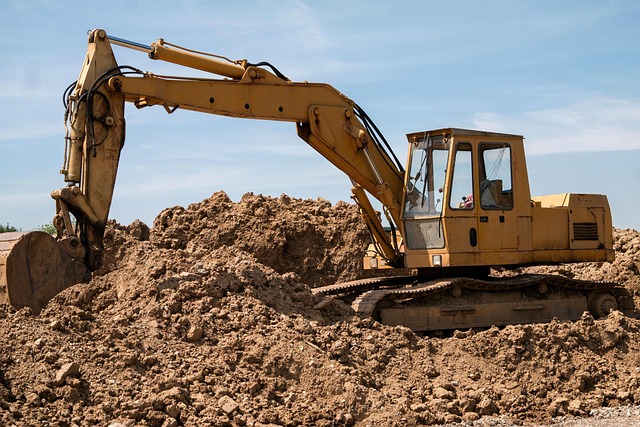
In the competitive landscape of construction project financing, tailored loan packages stand out as a strategic tool for developers and contractors in Denver. These specialized financial instruments are designed to meet the unique needs of construction projects, offering flexibility and targeted support where traditional loans often fall short. A construction loan in Denver, tailored with precision, can be a game-changer, ensuring projects stay on schedule and within budget.
The essence of a tailored construction loan lies in its customizability. Financial institutions in Denver work closely with borrowers to assess project specifics, including scope, timeline, and risk profiles. This comprehensive evaluation enables lenders to craft packages that incorporate specific funding mechanisms such as progress drawings, interim advances, and final disbursements tied to milestone achievements. For instance, a contractor undertaking a complex residential development might secure a package that allocates funds based on completed phases, ensuring steady cash flow as the project progresses.
Data from industry reports indicates that construction loan denver packages can significantly enhance project outcomes. A study by the National Association of Home Builders (NAHB) revealed that developers using tailored financing strategies experienced lower default rates and improved cash flow management. Furthermore, these customized loans often come with favorable terms, including competitive interest rates and extended repayment periods. By leveraging this approach, construction professionals in Denver can navigate complex projects with greater confidence, ensuring financial stability throughout the building process.
Benefits of Customized Financing for Denver Projects

In Denver, tailored loan packages offer a competitive edge for construction projects by addressing unique needs and mitigating financial risks. Customized financing structures, often referred to as construction loans Denver, allow developers and contractors to access flexible capital that aligns with project milestones, ensuring funds are available when required. This approach contrasts with one-size-fits-all mortgage options, which may not account for the fluid nature of construction timelines and cost fluctuations.
The benefits are manifold. First, these tailored packages enable better cash flow management by releasing funds as specific stages of the project are completed, reducing the burden of interest on unused capital. Second, they offer enhanced risk control, with loan terms designed to align with project risks, such as weather delays or material price volatility. For instance, a construction loan Denver might include a provision for a grace period following a significant weather event, allowing for repair costs to be absorbed without immediate repayment pressure.
Moreover, customized financing fosters collaboration between lenders and borrowers by fostering transparency and trust. Lenders can better assess project feasibility and set terms that support successful completion, while borrowers gain a financial partner attuned to their project’s unique demands. Data from the Denver Regional Chamber of Commerce shows that projects benefiting from tailored construction loans Denver tend to have lower default rates and faster completion times compared to those relying on traditional financing models.
To maximize the advantages of customized financing, developers should proactively engage with lenders early in the planning stage. Providing detailed project proposals, including timelines, budget breakdowns, and risk assessments, enables lenders to craft terms that accurately reflect the project’s potential. This collaborative approach ensures a mutually beneficial arrangement, contributing to successful project outcomes and fostering Denver’s vibrant construction landscape.
Assessing Your Construction Loan Needs in Colorado

Assessing your construction loan needs in Colorado requires a nuanced understanding of the local market and specific project requirements. Denver, known for its dynamic construction landscape, presents unique challenges and opportunities for borrowers. A tailored construction loan package is not merely about securing funding; it’s about aligning financial resources with your project’s timeline, budget, and goals. This strategic approach ensures that capital is available when needed most, facilitating a smoother building process.
In Colorado, factors such as the scope of the project, local zoning regulations, and seasonal weather patterns significantly influence financing options. For instance, a custom home builder in Denver might require a construction loan denver that accounts for peak building seasons and potential material cost fluctuations. A comprehensive assessment includes detailed cost estimates, allowing lenders to structure loans effectively. This involves not just funding for materials and labor but also contingencies for unforeseen expenses, ensuring financial resilience throughout the construction phase.
Expert advice emphasizes the importance of early planning. Borrowers should gather necessary documents, including architectural plans, engineering reports, and financial statements, to present a compelling case to lenders. Additionally, understanding different types of construction loans—such as traditional, hybrid, or government-backed—enables informed decisions based on project specifics. For instance, a small renovation project might benefit from a shorter-term, interest-only loan, while larger, longer-term developments could be more suitable for amortized financing options. By carefully considering these variables, borrowers can secure construction loan denver packages that not only finance their projects but also contribute to their successful completion.
Choosing the Right Lender for Your Unique Project

Selecting the appropriate lender for your construction loan Denver is a pivotal decision, as it significantly impacts the success and efficiency of your project. The market offers a diverse array of lenders, each with unique strengths and specializations. For instance, some focus on residential projects, while others cater exclusively to commercial ventures or have expertise in specific niches like green building. Understanding these nuances is essential when aligning your loan package with your project’s needs.
A comprehensive approach involves evaluating potential lenders based on factors such as interest rates, loan terms, and flexible underwriting criteria. Consider the complexity of your construction project and whether it requires specialized financing options or innovative solutions. For instance, a renovation project in an historic district might necessitate a lender accustomed to navigating heritage-related regulations. Conversely, a large-scale commercial development would benefit from a lender with experience handling such ventures, ensuring a smoother process.
Practical insights suggest that building relationships and seeking referrals can be invaluable. Engaging with lenders who possess a proven track record in your project’s domain demonstrates a commitment to understanding your unique challenges. For example, local banks or credit unions often have deep knowledge of the Denver construction landscape, providing insights into potential local incentives or permits. Additionally, checking reviews and case studies of previous projects can offer valuable data on a lender’s performance and reliability, ensuring you make an informed choice for your construction loan Denver.
The Application Process: Step-by-Step Guide to Denver Loans

The application process for construction loan Denver is a meticulous procedure designed to ensure both borrower and lender are protected and informed. It begins with gathering comprehensive project plans and financial documentation from prospective borrowers. This includes detailed architectural blueprints, engineering reports, and a thorough budget breakdown. Lenders will carefully assess these materials to evaluate the feasibility and potential risks associated with the construction venture.
Once initial documents are submitted, lenders typically request additional information, such as credit reports and personal financial statements. This step is crucial for understanding the borrower’s financial health and their ability to repay the loan. During this phase, borrowers should be prepared to demonstrate a strong credit history and stable financial position. For instance, a solid track record of successful construction projects can significantly enhance a borrower’s application. Lenders may also conduct site visits to inspect the proposed construction location and assess any potential environmental or regulatory concerns.
As the process advances, lenders offer conditional approval based on the evaluation of submitted documents and information. This is followed by a final loan agreement, outlining precise terms, interest rates, repayment schedules, and any applicable conditions. Borrowers should meticulously review this document to understand their obligations and ensure it aligns with their project needs. Effective communication between borrower and lender throughout these steps is vital, ensuring all concerns are addressed before finalizing the construction loan Denver.
Maximizing Your Construction Loan Potential in Denver Market

In the competitive Denver construction loan market, maximizing your financing potential requires a strategic approach tailored to the unique challenges and opportunities of this dynamic city. Construction loan Denver specialists emphasize understanding local trends, regulatory environments, and market fluctuations to secure optimal terms for builders and developers. For instance, Denver’s rapid population growth and thriving real estate scene have led to increased demand for residential and commercial projects, driving up construction costs. Consequently, borrowers should leverage their expertise to negotiate lower interest rates, flexible repayment schedules, and larger loan-to-value ratios.
Data from the Federal Reserve Bank of Kansas City reveals that construction loans in Denver have experienced a steady increase over the past five years, reflecting both the city’s economic prosperity and its status as a hub for tech startups and creative industries. To capitalize on this trend, borrowers should focus on strong project feasibility studies, detailed financial projections, and a solid track record of successful project completion. Lenders in the Denver market are increasingly looking beyond traditional credit scores to assess borrower risk, placing a higher value on alternative data points such as past performance and industry-specific knowledge.
Maximizing your construction loan potential in Denver involves proactive relationship building with lenders who understand the local market nuances. Engaging with reputable local banks, credit unions, or specialized construction lenders can provide access to competitive rates and personalized service. Additionally, borrowers should consider creative financing structures like joint ventures or public-private partnerships to diversify risk and unlock larger project opportunities. By staying informed about Denver’s evolving construction landscape, borrowers can position themselves for success in securing the most favorable loan packages.
In conclusion, this article has comprehensively explored tailored loan packages, particularly focusing on construction loans Denver offers, providing valuable insights for project stakeholders. By understanding the benefits of customized financing for Denver projects, assessing specific needs in Colorado’s construction market, and choosing the right lender, readers can navigate the application process with confidence. The step-by-step guide ensures a clear path to securing construction loans in Denver, while maximizing potential through strategic approaches is emphasized as a key takeaway. Armed with this knowledge, individuals and businesses can confidently embark on their construction journey, leveraging tailored loan packages to bring their unique projects to life.