
Denver's construction sector thrives on construction loan denver tailored to project needs. These loans offer flexible terms including variable rates, with stable interest averaging 5-6% for under-$2 million projects. To secure best terms, borrowers should maintain open communication, seek multiple quotes, and plan meticulously with accurate cost estimates. Key steps include defining project scope, exploring loan options (bank, private, crowdfunding), staying informed about incentives, and assessing borrower creditworthiness.
In today’s dynamic real estate landscape, commercial property construction funding is a cornerstone for economic growth and urban development. Access to capital plays a pivotal role in transforming blueprints into vibrant, functional spaces that house businesses and communities. However, navigating the complex web of financing options can be challenging, especially in competitive markets like Denver, where construction loan availability and terms are subject to constant fluctuations. This article provides an authoritative guide to understanding and securing commercial construction loans in Denver, offering insights into best practices tailored to this dynamic environment.
- Understanding Construction Loan Options in Denver
- Navigating Commercial Property Funding: A Step-by-Step Guide
Understanding Construction Loan Options in Denver
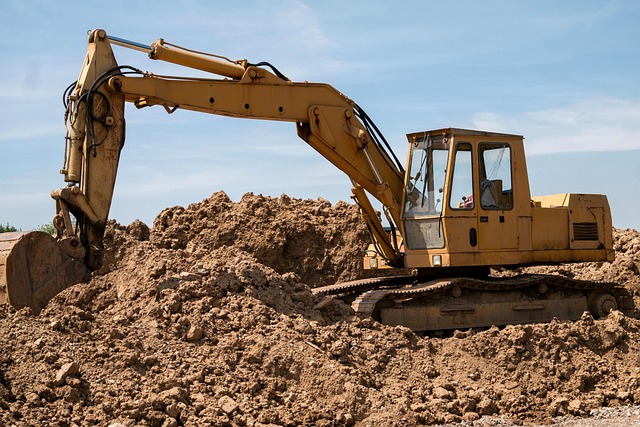
In the vibrant construction landscape of Denver, understanding your funding options is a cornerstone for successful projects. Construction loan Denver plays a pivotal role in financing the physical transformation of blueprints into tangible structures. These loans cater to developers, architects, and contractors by providing capital during various stages of construction, from initial excavation to final finishing touches. One key aspect to grasp is the distinction between construction loans and traditional mortgages; while both fund property acquisition, construction loans specifically target the building process itself.
Denver’s real estate market dynamics significantly influence construction loan terms. Local banks and credit unions often offer tailored programs with flexible repayment structures, recognizing the unique demands of construction projects. For instance, a recent trend has seen lenders introduce variable-rate construction loans, allowing borrowers to capitalize on potential interest rate drops during the construction phase. However, this option necessitates a strategic approach to locking in rates, as market fluctuations can impact overall costs. Data from industry reports suggests that construction loans in Denver have shown remarkable stability over the past five years, averaging around 5-6% interest rates for projects under $2 million.
When navigating construction loan Denver, borrowers should prioritize clear communication with lenders. Engaging in open dialogue ensures alignment on project timelines and budget constraints. Additionally, securing multiple quotes from different lenders can facilitate a competitive environment, potentially leading to more favorable terms. An expert’s advice emphasizes the importance of meticulous planning and accurate cost estimates; these ensure that construction loans are utilized efficiently, avoiding potential overspending and associated penalties.
Navigating Commercial Property Funding: A Step-by-Step Guide

Navigating Commercial Property Funding requires a strategic approach to secure the best construction loan Denver has to offer. The process involves several crucial steps that demand careful consideration and expert guidance. First, defining the project scope and securing comprehensive financial plans is paramount. Developers should meticulously outline their vision, including architectural blueprints, expected timelines, and projected budget allocations for both construction and operational costs. This detailed proposal will form the backbone of your funding application.
Once prepared, lenders in Denver will assess the viability of the project based on factors such as market demand, location’s economic prospects, and the borrower’s creditworthiness. Construction loans typically cater to specific types of commercial real estate ventures, from office complexes to retail spaces, with varying loan-to-value ratios offered by financial institutions. For instance, a bank might provide 75% financing for a high-rise mixed-use development, while a smaller local lender could offer 80% for a specialized industrial facility. It’s vital to shop around and compare terms, interest rates, and repayment structures to find the most suitable construction loan Denver’s market has to offer.
In addition to traditional bank loans, alternative funding sources like private money lenders and crowdfunding platforms can be explored. Private lenders often provide faster approvals but may command higher interest rates and shorter repayment periods. Crowdfunding, though less conventional, allows developers to tap into a broader pool of investors, offering both capital and exposure. As the construction loan landscape evolves, staying informed about government incentives, tax credits, and industry trends is essential for maximizing funding opportunities in Denver’s dynamic real estate market.
In navigating the complex landscape of commercial property construction funding, specifically in Denver, this article has equipped readers with a comprehensive guide to understanding their loan options and guiding them through the process. Key insights include recognizing the diverse range of construction loan denver products available, from traditional lenders to alternative financing sources, each catering to different project needs and risk profiles. The step-by-step approach highlighted in the article ensures that prospective property developers can make informed decisions, manage cash flow effectively, and successfully secure funding for their ventures. By delving into this authoritative content, readers now possess valuable knowledge to navigate the intricate world of commercial property financing, setting them on a path to fruitful investments and robust projects in Denver’s dynamic market.