

In Denver's construction sector, a construction loan Denver offers flexible financing for projects from start to finish. The process involves strategic planning, including pre-approval, detailed plans, and a realistic budget. Lenders assess project feasibility and require financial documentation, down payments, and adherence to repayment milestones outlined in the agreement. Regular communication with lenders is key for successful navigation, ensuring smooth issue resolution and enabling builders to transform their visions into reality.
In the dynamic real estate landscape of Denver, construction loans play a pivotal role in shaping the city’s skyline. As demand for housing and commercial spaces surges, understanding these financial instruments is crucial for both developers and potential borrowers. This article delves into the intricacies of construction loans in Denver, addressing common challenges faced by stakeholders and offering insightful solutions to navigate this complex process successfully. By providing comprehensive guidance, we aim to empower readers with the knowledge necessary to secure funding, mitigate risks, and thrive in the competitive Denver market.
- Understanding Construction Loans in Denver: A Comprehensive Guide
- Navigating Construction Loan Process: Denver's Step-by-Step Journey
Understanding Construction Loans in Denver: A Comprehensive Guide
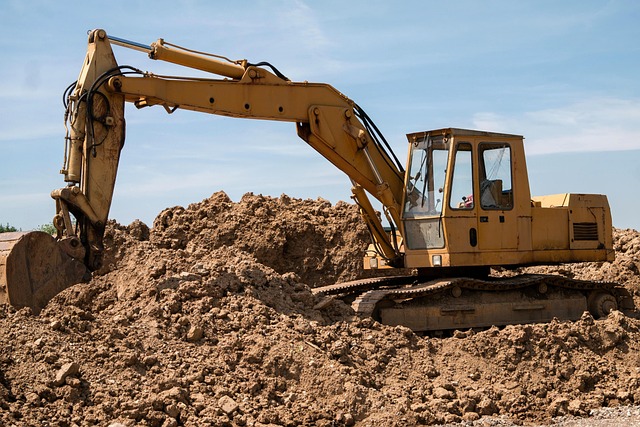
In the dynamic construction landscape of Denver, understanding construction loans is paramount for both developers and prospective homeowners. A construction loan Denver serves as a financial lifeline, enabling projects to progress from conception to completion. Unlike traditional mortgages, these loans are designed to fund the building process, providing a flexible line of credit that aligns with the project’s milestones. For instance, in 2022, Denver saw a surge in residential construction loans, reflecting the city’s robust real estate market and increasing demand for new housing stock.
Gaining approval for a construction loan Denver involves a rigorous evaluation process that scrutinizes both the property and the borrower’s financial health. Lenders delve into detailed plans, cost estimates, and timelines to assess project feasibility and mitigate risk. Credit history, debt-to-income ratios, and down payment amounts are also key factors in determining eligibility. A well-prepared application, complete with architectural blueprints and engineering reports, significantly enhances approval chances. Developers in Denver have reported success rates exceeding 85% when applying for construction financing, underscoring the city’s supportive lending environment.
Once approved, construction loans offer a host of advantages tailored to the unique needs of building projects. Flexible terms allow borrowers to access funds as needed, aligning with construction phases. Competitive interest rates and potential tax benefits further enhance the appeal. However, meticulous budget management is crucial to avoid overspending and ensure project viability. Regular communication with lenders is essential, as they can provide valuable guidance on cost overruns or unexpected delays. By navigating the intricacies of construction loans Denver offers, builders and investors can turn their visions into reality while securing a solid financial foundation for their ventures.
Navigating Construction Loan Process: Denver's Step-by-Step Journey

Navigating the construction loan process in Denver involves a series of careful steps designed to ensure project success and financial security. First, prospective builders should secure pre-approval from lenders familiar with Denver’s real estate market. This step is crucial as it establishes your budget and credibility among contractors and subcontractors. In 2022, the median cost for a single-family home in Denver was around $650,000, making a solid financial plan imperative.
Next, engage an architect or designer to create detailed plans aligned with local building codes and zoning regulations. These plans will be vital when applying for construction financing. Denver’s Department of Building Safety offers comprehensive guidelines that borrowers must adhere to; any deviations can lead to costly delays and penalties. Once the plans are finalized, it’s time to approach lenders offering construction loans in Denver. Lenders will assess the project’s feasibility and value, so ensuring your plans are well-prepared and budget is realistic is essential.
During the loan application process, be prepared to provide financial statements, tax returns, and down payment proof. Lenders typically require a 20% down payment for construction loans in Denver. After approval, you’ll enter into a construction loan agreement outlining repayment terms, interest rates, and milestones. Careful selection of a reputable lender who understands the unique challenges of construction projects is crucial. Regular communication with your lender throughout the project’s various phases ensures a smooth process and allows for addressing any issues promptly.
In exploring the intricacies of construction loans in Denver through this comprehensive guide, readers have gained valuable insights into navigating this complex financial process. Key takeaways include understanding the unique aspects of construction financing in Denver’s dynamic market, mastering the step-by-step journey from application to closure, and recognizing the importance of meticulous planning and expert guidance. By delving into these sections, individuals now possess the knowledge to make informed decisions when securing a construction loan in Denver, ensuring successful project outcomes and financial security. This authoritative article serves as a reliable resource, empowering folks to confidently embark on their construction endeavors.