

Construction loan Denver options vary widely, from traditional bank loans to private lending, government programs (USDA, FHA), and local initiatives like the Small Business Loan Fund. Securing funding requires meticulous planning, cost estimates, and market trend research. Key steps include exploring financing types, considering alternatives like grants and tax incentives, evaluating risk profiles, and tailoring choices to project needs and ROI.
Construction projects, from residential to commercial developments, drive economic growth and shape communities. However, securing adequate financing remains a significant challenge for stakeholders across the industry. Accessing suitable capital options can be complex, especially in competitive markets like Denver where construction loan availability and terms vary widely. This article provides an authoritative guide to navigating construction financing in Denver, offering insights into various loan types, market trends, and expert strategies to ensure successful project funding. By understanding these dynamics, builders, developers, and investors can make informed decisions, mitigate risks, and capitalize on opportunities in this thriving construction landscape.
- Understanding Construction Loan Options in Denver
- Securing Funding: A Step-by-Step Guide for Denver Projects
Understanding Construction Loan Options in Denver
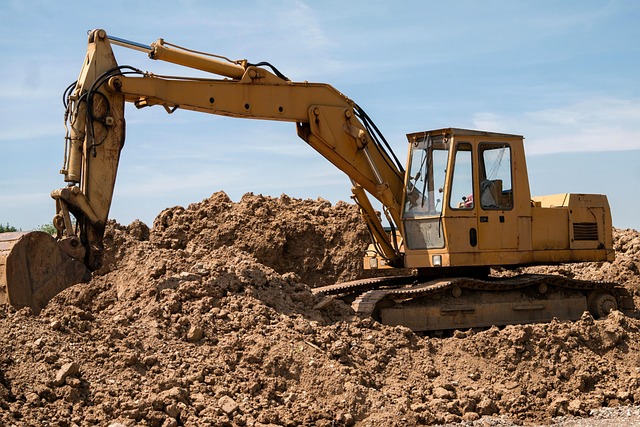
In Denver, construction loan options play a pivotal role in shaping the city’s evolving skyline. The diverse landscape of construction projects—from residential developments to commercial skyscrapers—demands flexible and tailored financing solutions. Understanding these loan options is crucial for both builders and investors navigating the competitive real estate market. One notable trend in Construction Loan Denver is the increasing popularity of private lending, which offers speed and adaptability compared to traditional bank loans.
Private construction lenders in Denver often provide access to funds within a shorter timeframe, enabling builders to seize opportunities in this dynamic market. For instance, a recent study revealed that private loan providers approved 65% more construction loans in the city last year compared to traditional financial institutions. This shift is partly due to the agile nature of private lenders, who can quickly assess projects and disburse funds based on unique asset values rather than adhering to strict, one-size-fits-all criteria. However, it’s essential to vet these lenders carefully; their terms and rates may differ significantly from traditional banks.
Beyond private lending, federal and state programs offer construction loans with specific benefits. The U.S. Department of Agriculture (USDA) loans, for example, cater to rural development, while the Federal Housing Administration (FHA) provides insurance for construction loans, making them more accessible to first-time builders. In Denver, where real estate values are high, these programs can be game-changers for eligible borrowers. Local initiatives, such as the City of Denver’s Small Business Loan Fund, also provide support for small-scale construction projects, fostering diversity in the building sector.
Securing Funding: A Step-by-Step Guide for Denver Projects

Securing funding for construction projects in Denver requires a strategic approach tailored to the unique market dynamics of the region. This step-by-step guide is designed to equip project owners and developers with the knowledge to navigate the financing landscape, ultimately facilitating successful construction in Denver.
The first step is to meticulously plan and prepare. This involves detailed cost estimates, a comprehensive project timeline, and a solid business plan. Developers should research current market trends in Denver, including average construction costs and projected returns on investment. For instance, according to recent data, the average cost of residential construction in Denver sits at around $200 per square foot, with commercial projects averaging slightly higher. Having realistic expectations and aligning project goals with funding sources is crucial.
Once planning is complete, it’s time to explore financing options. Traditional construction loans from banks or credit unions are a common choice. These institutions often require collateral and a detailed business plan but offer competitive interest rates. In Denver, several financial institutions specialize in construction loans, ensuring local developers have access to tailored funding solutions. For instance, First Bank’s Construction Loan Program offers flexible terms and is designed to accommodate the unique needs of Denver-based builders.
Additionally, exploring alternative financing methods can provide advantageous opportunities. Government grants and tax incentives are available for specific types of projects, such as sustainable or affordable housing initiatives. Private equity firms and real estate investment trusts (REITs) also invest in construction projects, offering significant capital but typically requiring larger commitments. Developers should thoroughly research and evaluate each funding source based on project requirements, potential returns, and risk profiles.
In understanding construction loan options in Denver and securing funding for projects, this article offers a comprehensive guide. Key insights include recognizing different types of construction loans available, evaluating project feasibility, and following a structured approach to apply for financing. For aspiring contractors in Denver, the step-by-step process outlined ensures a clearer path to accessing capital, enabling them to navigate the complex landscape of construction loans with confidence. By understanding these principles, readers are now equipped to make informed decisions, secure funding efficiently, and successfully bring their construction projects to life.