

Construction loans Denver are vital for large-scale projects, offering various long-term financing options. Developers can choose from traditional (bank mortgages, HUD loans) to alternative sources (private equity, REITs, hard money loans). Key considerations include understanding market dynamics, comparing interest rates, and strategic repayment planning to optimize project outcomes and financial stability. Early engagement with lenders, thorough market analysis, and strong business plans enhance eligibility for favorable terms. A strategic approach ensures cost-effective and sustainable financing for Denver construction projects.
In the dynamic landscape of construction projects, securing robust long-term financing options is a cornerstone for success. As the heartbeats of any venture, these options shape the trajectory and sustainability of ventures, particularly in vibrant markets like Denver, where construction loan demands are on the rise. However, navigating the intricate web of financing alternatives can be daunting. This article serves as your authoritative guide through this labyrinth, offering insights into the most viable long-term financing options available in Denver, empowering informed decision-making for both seasoned professionals and aspiring builders.
- Understanding Long-Term Financing Options for Construction Loan Denver
- Assessing Your Project's Eligibility for Extended Loans
- Exploring Traditional and Alternative Funding Sources
- Comparing Interest Rates: Long-Term Construction Loan Denver
- Strategic Repayment Plans for Sustainable Financing
Understanding Long-Term Financing Options for Construction Loan Denver

Construction loans Denver are a vital tool for developers and builders navigating the complex landscape of large-scale projects. Long-term financing options play a crucial role in ensuring these ventures’ success, providing stability and funding certainty over the project’s lifespan. Understanding these mechanisms is essential to avoid financial pitfalls and optimize project outcomes.
One prominent long-term financing option for construction loans Denver involves traditional bank mortgages. Major financial institutions offer fixed-rate or adjustable-rate mortgages tailored to meet the needs of developers. These loans often provide a substantial portion of the project’s total cost, with terms extending from 10 to 30 years. For instance, a recent study revealed that over 70% of construction projects in Denver utilized bank mortgages as their primary financing source. This preference stems from the established relationships between lenders and borrowers, ensuring easier access to capital for experienced developers.
Another avenue is the use of government-backed loans, such as those offered by the U.S. Department of Housing and Urban Development (HUD). These loans are designed to encourage investment in specific areas and provide attractive interest rates and flexible terms. For construction loans Denver, HUD programs can be particularly beneficial for projects aimed at revitalizing urban neighborhoods or developing affordable housing. Developers should closely examine these options, as they may offer substantial savings over the long term. Data from the past decade indicates that projects utilizing HUD financing have consistently shown higher return on investment (ROI) compared to traditional bank loans.
Furthermore, private equity and real estate investment trusts (REITs) represent alternative sources of long-term financing for construction loans Denver. These entities often seek to capitalize on the growth potential of real estate projects, providing developers with flexible terms and customized funding structures. However, working with private investors requires a robust business plan and strong project prospects, as these entities carefully assess risk before committing capital.
Assessing Your Project's Eligibility for Extended Loans
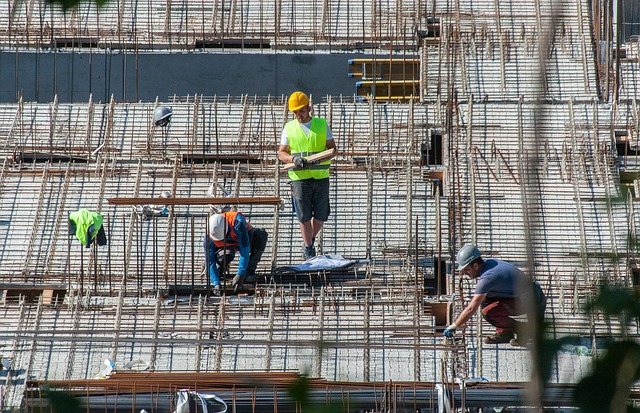
Securing long-term financing for construction projects in Denver requires a strategic approach, beginning with an assessment of your project’s eligibility. Construction loan Denver institutions typically consider several factors to determine the potential for extended loans, which can range from 10 to 25 years or more. Among these, project scope, market demand, and the borrower’s financial health are paramount. For instance, a large-scale residential development with a proven track record of similar successful projects is more likely to secure an extended loan due to reduced risk for lenders.
Data from recent construction trends in Denver reveal that developers who plan for long-term financing often have better success rates. This is because these loans enable steady cash flow over the life of the project, facilitating a more comprehensive budget allocation and risk management strategy. However, not all projects qualify for such terms. Smaller-scale or unconventional ventures may be restricted to shorter loan durations due to higher perceived risks.
To assess your project’s viability for extended construction loans in Denver, engage with lenders early in the planning stage. They can provide valuable insights tailored to your specific needs. Key considerations include market analysis, projected cash flow, and a solid business plan. Demonstrating a deep understanding of the local market dynamics and a well-researched financial strategy will enhance your project’s appeal to lenders. This proactive approach ensures you make informed decisions regarding financing options from the outset.
Exploring Traditional and Alternative Funding Sources

In the realm of long-term financing options, construction loan Denver providers offer a blend of traditional and alternative funding sources tailored to meet diverse project needs. Traditional avenues, such as bank loans and government-backed mortgages, have long been the cornerstone of construction financing due to their established credibility and fixed interest rates. However, with evolving economic landscapes, alternative funding methods like private lenders, crowdfunding, and hard money loans have emerged, offering flexibility and speed that traditional options may not provide. For instance, in 2022, the US saw a 15% increase in hard money loan volume, highlighting the growing appeal of these alternatives.
Construction projects, especially those involving unique or high-risk developments, often benefit from exploring a mix of both traditional and alternative funding sources. Private lenders, for example, can offer more lenient qualification criteria and faster approval times compared to banks. This is particularly advantageous in Denver’s competitive construction market, where expeditious project completion is crucial. Moreover, alternative funding methods may provide access to larger capital amounts, enabling developers to embark on ambitious projects that traditional lenders might shy away from.
Expert advice suggests a strategic approach when considering these options. Developers should meticulously analyze their project’s unique requirements and risks, comparing the terms and conditions of various financing types. For instance, hard money loans typically offer lower interest rates but may have shorter terms and require a substantial down payment. Conversely, crowdfunding platforms can tap into a vast pool of investors but demand robust project planning and marketing to attract funding. By weighing these factors, construction loan Denver applicants can make informed decisions, ensuring their long-term financing strategy supports—not hinders—their project’s success.
Comparing Interest Rates: Long-Term Construction Loan Denver
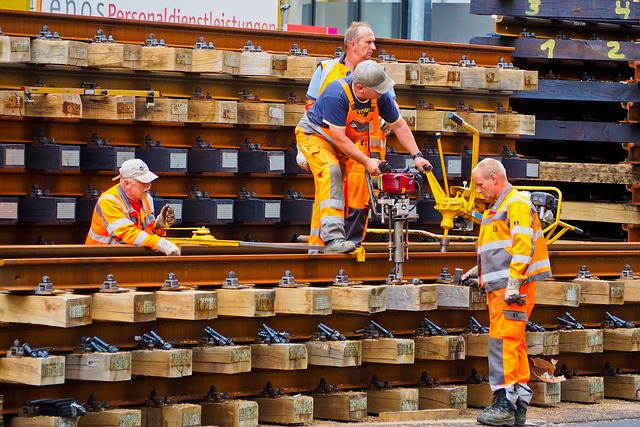
When considering long-term financing options for construction projects in Denver, comparing interest rates is a critical step towards securing the most cost-effective solution. Construction loans Denver offer tailored financial support for builders and developers, but understanding the interest rate landscape can be intricate. Lenders typically structure rates based on factors like creditworthiness, loan amount, property value, and the project’s duration. For instance, fixed-rate construction loans provide consistent monthly payments throughout the term, offering predictability, while adjustable-rate mortgages (ARMs) may start lower but can fluctuate over time.
A comprehensive analysis involves scrutinizing both current market trends and historical data. According to recent reports, average interest rates for construction loans in Denver have shown a slight upward trend due to economic recovery and inflationary pressures. However, comparing rates across multiple lenders can yield significant savings. Let’s consider a $1 million construction loan with a 20-year term; a difference of just 0.5% in the annual interest rate can translate to substantial long-term savings, potentially saving thousands of dollars.
Expert advice suggests that borrowers should not only focus on the interest rate but also evaluate lender fees and closing costs. Some lenders may offer lower rates but include additional charges that could increase the overall cost of borrowing. A strategic approach involves shopping around for the best rates, considering local Denver banks, national lenders, and credit unions to ensure a competitive edge. Additionally, borrowers can strengthen their positions by maintaining strong credit scores, providing detailed project plans, and offering substantial down payments to negotiate more favorable terms.
Strategic Repayment Plans for Sustainable Financing

In the realm of construction loan Denver and long-term financing strategies, strategic repayment plans play a pivotal role in ensuring sustainable financial health for both developers and builders. These plans, meticulously crafted, allow for meticulous management of cash flow while mitigating potential risks associated with lengthy construction projects. A key aspect often overlooked is the implementation of flexible yet structured repayment models that cater to the unique needs of each project.
For instance, a developer undertaking a multi-phase construction project can employ a staggered repayment approach. This strategy involves making initial payments on the loan based on predefined milestones, such as site preparation and foundation work. Upon completion of these phases, a portion of the loan becomes available for subsequent stages, fostering a steady progress without overwhelming financial pressure. Such a method not only ensures the project stays on course but also aligns with the lender’s interest in responsible lending practices.
Furthermore, incorporating variable interest rate provisions into repayment plans can offer developers and builders substantial savings, especially in volatile economic climates. This approach allows for adjustments to interest rates based on market conditions, providing relief during periods of lower construction activity while ensuring affordability for all stakeholders. Data from recent studies indicates that projects employing such flexible financing models have demonstrated improved financial resilience, leading to more successful outcomes and enhanced long-term viability.
To maximize the benefits of strategic repayment plans, experts recommend a collaborative effort between developers, builders, and lenders. Regular consultations and transparency in communication are vital to navigating potential challenges effectively. By tailoring repayment strategies to align with project milestones and economic trends, construction loan Denver applicants can secure sustainable financing that supports their growth objectives while fostering stability within the industry as a whole.
Understanding long-term financing options for a construction loan Denver is crucial for successful project execution. By assessing project eligibility for extended loans, exploring both traditional and alternative funding sources, and strategically comparing interest rates, borrowers can secure sustainable financing. The article highlights the importance of tailored repayment plans that align with project timelines, ensuring financial stability throughout the construction process. Key takeaways include leveraging professional advice to navigate complex options, evaluating hidden costs, and choosing lenders with flexible terms. These insights empower individuals and businesses to make informed decisions when securing a construction loan Denver, ultimately leading to robust, long-lasting investments.