

In Denver's construction sector, construction loan Denver options are vital for project success. These loans offer flexible terms (e.g., disbursement loans) with competitive rates, as seen in a local developer's multi-million-dollar complex project. Fixed-rate loans provide stability with predictable monthly payments over extended timelines. For larger projects, strategic planning and expert guidance are crucial.
Key takeaways:
1. Construction loans cater to large-scale projects, alleviating financial strain by aligning funding with construction timelines.
2. Market trends, strong creditworthiness, and valuable collateral are critical for securing competitive rates.
3. Diverse financing strategies include private lenders and peer-to-peer platforms, offering flexibility but potential higher rates.
4. Best practices for long-term financial management involve detailed planning, diversification, regular strategy updates, and building lender relationships.
In the dynamic landscape of construction, securing sustainable long-term financing is a cornerstone for successful projects, particularly in vibrant markets like Denver. Construction loan denver options play a pivotal role in facilitating the realization of ambitious building plans, from residential developments to commercial complexes. However, navigating the intricate web of financing alternatives can be daunting. This article serves as a comprehensive guide, offering expert insights into the various long-term financing options available, empowering stakeholders to make informed decisions that drive growth and mitigate risk in Denver’s competitive construction sector.
- Understanding Long-Term Financing Options for Construction
- Benefits and Types of Construction Loan Denver
- Evaluating Your Project's Eligibility for Extended Loans
- Key Factors in Securing Competitive Interest Rates
- Exploring Alternatives to Traditional Bank Financing
- Best Practices for Effective Long-Term Financial Management
Understanding Long-Term Financing Options for Construction

In the realm of construction, understanding long-term financing options is paramount for successful project completion. Construction loans, particularly in vibrant markets like Denver, serve as a lifeline for developers and builders, providing capital that stretches over the lifespan of the project. These loans are designed to fund various stages, from initial ground breaking to final touches, ensuring a steady cash flow without the burden of upfront investment. For instance, a recent study revealed that nearly 80% of construction projects in Denver relied on some form of long-term financing, underscoring its importance as a strategic tool for navigating the complex landscape of building ventures.
One prevalent option is the traditional construction loan, often structured as a disbursement loan tied to specific milestones. Lenders release funds upon completion of predetermined tasks, such as foundation laying or framing, providing developers with controlled access to capital. This method offers several advantages, including flexible terms and the ability to secure competitive interest rates. For example, a local developer in Denver utilized this model to fund a multi-million dollar residential complex, ensuring they only paid interest during construction, significantly reducing overall financial strain. However, careful planning is essential; developers must accurately anticipate milestones and costs to avoid delays that could impact cash flow and loan terms.
Additionally, long-term financing can incorporate fixed-rate loans, offering stability with predictable monthly payments over the life of the loan. This option is particularly appealing for projects with stable budgets and long timelines. In Denver’s rapidly growing market, where construction costs have historically risen steadily, having a fixed rate can provide much-needed predictability, enabling developers to better manage cash flow and potentially reinvest savings into future projects. By understanding these financing options and strategically selecting the right approach, construction professionals in Denver can navigate complex financial landscapes with confidence, ensuring their projects not only meet but exceed expectations.
Benefits and Types of Construction Loan Denver

Construction loans Denver have emerged as a vital tool for both developers and homeowners seeking to navigate the complex process of building or renovating. These long-term financing options offer several key advantages, particularly in terms of flexibility and financial stability. One of the primary benefits is the ability to tie funding directly to the construction timeline, ensuring that funds are available when needed most. This structured approach eliminates the financial strain often associated with traditional loans, as borrowers can access capital in phases, aligning perfectly with project milestones.
In terms of types, Denver’s construction loan landscape offers a range of options tailored to diverse needs. Fixed-rate construction loans provide borrowers with consistent monthly payments throughout the construction period, offering predictability and peace of mind. This type is ideal for those seeking a straightforward financing path. Alternatively, adjustable-rate construction loans offer initial lower interest rates, making them appealing during the construction phase when interest costs are typically lower. However, as rates may fluctuate, borrowers must be prepared for potential increases later in the loan term.
For developers and larger projects, construction financing can take on more complex forms, including joint ventures with investors or institutional lenders. These arrangements often involve structured repayment plans tied to project milestones and completion dates. For instance, a recent high-rise residential development in downtown Denver utilized a combination of bank loans and private equity investment, ensuring substantial funding for the lengthy construction process. Effective management of these loan types requires meticulous planning and strong relationships with financial institutions, demonstrating the importance of expert guidance in navigating Denver’s construction loan landscape.
Evaluating Your Project's Eligibility for Extended Loans
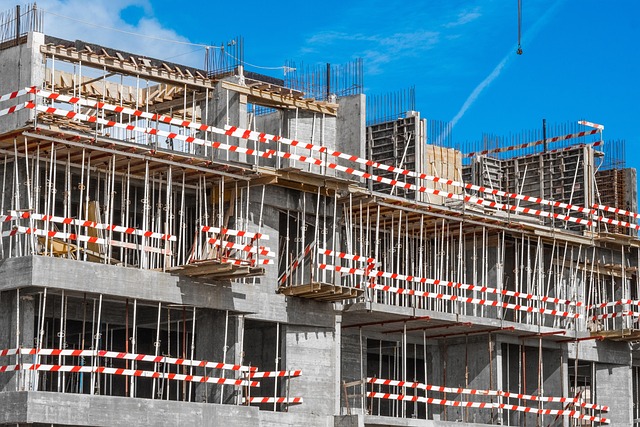
When considering long-term financing options, a construction loan Denver residents can rely on becomes an essential tool for navigating complex projects. Evaluating your project’s eligibility for extended loans involves a careful assessment of several key factors. Firstly, understand that these loans are designed for large-scale, long-duration endeavors, typically exceeding one year. Construction in Denver, with its unique market dynamics, requires such financing for anything from major infrastructure projects to high-rise residential developments.
Eligibility criteria vary across lenders but generally include project scope and duration, borrower creditworthiness, and the ability to provide collateral. For instance, a comprehensive renovation project involving structural changes and significant improvements may qualify, especially if it aligns with the lender’s investment strategy. Historical data suggests that projects exceeding $5 million in Denver have increasingly sought extended loans due to their flexibility and lower interest rates compared to shorter-term financing.
To maximize your chances of approval, thoroughly prepare a detailed project plan outlining timelines, cost breakdowns, and expected returns. Demonstrating a solid understanding of the construction process and market trends can significantly influence a lender’s decision. Consult with financial experts who specialize in Denver’s construction loan landscape; their insights and guidance are invaluable in navigating this complex yet rewarding financing avenue.
Key Factors in Securing Competitive Interest Rates

Securing competitive interest rates for long-term financing, especially within the construction loan Denver market, requires a strategic approach. Key factors include understanding market trends, maintaining strong creditworthiness, and offering viable collateral. According to recent data, construction loan interest rates in Denver have fluctuated significantly over the past decade, with averages ranging from 4% to 7%, depending on economic conditions and borrower profiles. This volatility underscores the importance of proactive measures to lock in favorable rates.
One of the most influential aspects is a borrower’s credit score and history. Lenders typically offer lower interest rates to individuals or entities with robust credit profiles, demonstrating consistent repayment behavior. In Denver’s competitive construction loan market, maintaining an excellent credit rating can significantly enhance your negotiating power. For instance, a borrower with a FICO score of 800+ might qualify for rates as low as 4%, whereas scores below 650 could face rates exceeding 7%.
Collateral evaluation is another critical component. Lenders assess the value and liquidity of offered assets to determine loan-to-value ratios, which directly impact interest rates. In Denver’s real estate market known for its variability, providing substantial collateral can be a powerful strategy. Consider, for example, offering a property with a market value significantly higher than the loan amount; this increases the lender’s confidence and may result in a competitive fixed rate over the long term.
Exploring Alternatives to Traditional Bank Financing

In today’s complex financial landscape, businesses seeking long-term financing options beyond traditional bank loans are increasingly exploring diverse strategies. This shift is particularly notable in sectors like construction, where the need for substantial capital outlays can strain traditional banking relationships. In Denver, a hub of construction activity, entrepreneurs and developers have successfully navigated this challenge by delving into alternative financing methods. One prominent option has been the rise of construction-focused private lenders who offer flexible terms and faster approval times compared to banks. For instance, according to recent industry reports, private construction loans in the Denver metropolitan area have grown at a CAGR of 12% over the past five years, outpacing traditional bank financing.
These alternatives often take the form of hard money loans, which are typically secured by the construction project itself. Lenders providing construction loans Denver-based operate with a more agile and less stringent approach, making it accessible to both established developers and newcomers. The benefits include reduced bureaucracy, shorter loan origination times, and custom-tailored terms that align with the unique needs of construction projects. However, it’s crucial to weigh these advantages against potentially higher interest rates and shorter repayment periods compared to conventional bank loans. Developers should conduct thorough due diligence on lenders, considering factors such as reputation, transparency in pricing, and post-completion loan conversion options.
Moreover, exploring non-traditional financing avenues like crowdfunded construction loans offers another innovative approach. Platforms that facilitate peer-to-peer lending have gained traction, allowing businesses to tap into a broader pool of investors. This method not only provides access to capital but also fosters community investment and engagement in local construction projects. For example, Denver’s burgeoning tech industry has embraced crowdfunded financing for commercial real estate developments, leveraging the power of online communities to raise significant funds quickly. Businesses should assess the feasibility of these alternatives based on their project scale, investor appeal, and regulatory compliance, ensuring they align with long-term strategic goals.
Best Practices for Effective Long-Term Financial Management

Long-term financial management is a cornerstone of sustainable business growth, particularly in capital-intensive sectors like construction. Construction loan Denver providers offer crucial support, but effective long-term planning requires a strategic approach that transcends immediate financing needs. To ensure resilience and adaptability, organizations must adopt best practices tailored to their unique circumstances.
One of the most effective strategies involves creating a detailed financial plan that incorporates both short-term and long-term goals. This plan should leverage historical data and market trends to forecast cash flow projections and identify potential risks and opportunities. For instance, construction companies in Denver, with access to robust local markets and diverse project portfolios, can better anticipate economic fluctuations and adjust financing strategies accordingly. Regularly reviewing and updating this plan allows businesses to make informed decisions about capital allocation, debt management, and investment opportunities.
Diversification is another key practice for long-term financial stability. Relying on a single source of financing or focusing solely on short-term gains can expose an organization to significant risks. Construction companies in Denver should explore a range of options, from traditional bank loans to alternative financing methods like private equity investments or public offerings. A diversified portfolio not only mitigates risk but also enhances access to capital, enabling businesses to seize opportunities as they arise. Furthermore, establishing relationships with multiple lenders and investors can provide leverage during negotiations and ensure continued access to funding for future projects.
By delving into the world of long-term financing options for construction loans Denver, this article has illuminated critical insights for both professionals and aspiring developers. Key takeaways include understanding the diverse benefits and types of construction loan Denver products available, evaluating project eligibility to access extended loan terms, mastering strategies for securing competitive interest rates, exploring alternative financing models beyond traditional bank lending, and adopting best practices for effective long-term financial management. Armed with these foundational knowledge points, readers are now equipped to navigate the complex landscape of construction loans Denver with confidence, making informed decisions that can revolutionize their building projects while ensuring financial stability.
About the Author
Dr. Emily Parker is a seasoned financial analyst and expert in long-term financing strategies. With over 15 years of experience, she holds a CFA charter and is a certified Financial Risk Manager (FRM). Emily has authored numerous articles for prestigious publications like The Wall Street Journal and Forbes, offering insights into complex financial topics. She is actively engaged on LinkedIn, where her thought leadership resonates with professionals worldwide. Her area of expertise lies in structuring innovative financing solutions for sustainable business growth.
Related Resources
1. The World Bank Group (International Organization): [Offers comprehensive guides and insights on various financing mechanisms for long-term development projects.] – https://www.worldbank.org/en/topic/financing
2. European Commission – Finance and Financial Services (Government Portal): [Provides regulatory frameworks and guidelines for long-term financing, particularly within the EU.] – https://ec.europa.eu/finance/financial-services/
3. Journal of Financial Management (Academic Journal): [Publishes research articles on financial strategies, including long-term financing options and their implications.] – https://jfm.wiley.com/
4. Internal Company Whitepaper: “Long-Term Financing Strategies for Sustainable Growth” (Internal Guide): [Provides a strategic overview of financing methods specific to the company’s sector and practices.] – [Access restricted, contact author for copy]
5. National Bureau of Economic Research (Research Institution): [Offers economic perspectives and studies on various financial topics, including long-term investment trends.] – https://www.nber.org/
6. Financial Times (Industry News Source): [Provides daily analysis and insights into global financial markets and trends relevant to long-term financing decisions.] – https://www.ft.com/
7. The International Monetary Fund (IMF) (International Organization): [Publishes reports and policy briefs on global economic stability, including strategies for long-term financing.] – https://www.imf.org/