

In Denver's dynamic real estate market, construction loan denver are vital for developers. Key considerations include thorough due diligence, managing construction phase risks, navigating market volatility, and strategic financing diversification. Success demands accurate financial projections, strong credit profiles, local market knowledge, and expert advice from commercial real estate professionals to secure the best options among traditional, fixed-rate, and hard money loans.
In today’s dynamic commercial real estate market, construction loan funding plays a pivotal role in bringing architectural visions to life. Denver, known for its bustling landscape, presents unique challenges and opportunities for developers navigating the intricate process of securing construction loans. This authoritative article delves into the intricacies of commercial property construction financing, offering insights tailored to Denver’s specific context. We explore innovative strategies, risk mitigation techniques, and expert guidance essential for successful projects in this vibrant market. By the end, readers will grasp the key factors influencing construction loan approvals and be equipped with knowledge to make informed decisions.
- Understanding Construction Loan Options in Denver
- Evaluating Commercial Property Investment Risks
- Securing Funding: Steps for Smooth Construction Loans
Understanding Construction Loan Options in Denver
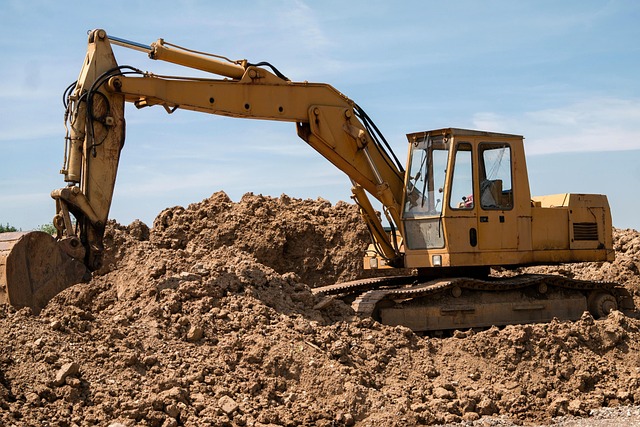
In the dynamic real estate market of Denver, understanding construction loan options is paramount for developers, investors, and builders navigating the city’s growing landscape. Construction loans denver serve as a lifeline for projects that demand substantial upfront capital, enabling development before permanent financing takes hold. These loans cater to various project types—from revitalizing historic buildings to erecting modern office towers—and come in multiple forms.
One prevalent option is the traditional construction loan, often structured as a variable-rate mortgage with periodic advances tied to specific milestones: foundation laying, framing, and completion. This approach offers flexibility, aligning payments with project phases, yet carries the risk of interest rate fluctuations. Alternatively, a fixed-rate construction loan provides stability with consistent monthly payments throughout the building process, but may require a larger down payment. For smaller-scale projects or those requiring rapid financing, builders sometimes opt for a hard money construction loan, typically offered by private lenders at competitive rates but with shorter terms and potentially stiffer penalties for prepayment.
Recent data from the Federal Reserve Bank of Denver reveals that construction activity in the city has shown robust growth over the past decade, with a 15% increase in new building permits between 2010 and 2020. This surge underscores the ever-evolving nature of Denver’s commercial real estate scene, demanding adaptable financing solutions. For developers looking to capitalize on this momentum, understanding the nuances of construction loan denver products is essential. Expert advice recommends a thorough assessment of project scope, budget, and market conditions before selecting a funding model. Diversifying financing options, considering long-term sustainability, and strategically timing loan payoffs can mitigate risks and optimize returns in this dynamic environment.
Evaluating Commercial Property Investment Risks

Evaluating risks is a cornerstone of sound investment strategy, especially within the dynamic landscape of commercial property construction funding. In Denver, where the construction loan market is robust and competitive, understanding potential pitfalls and opportunities is paramount for investors. A thorough risk assessment begins with meticulous due diligence on the underlying property itself—its current and future market value, zoning regulations, and environmental considerations. For instance, a property located in an area prone to natural disasters or facing imminent urban redevelopment might present unforeseen challenges that impact investment viability.
Moreover, the construction phase introduces a distinct set of risks. Delays caused by weather, labor shortages, or material supply disruptions can significantly escalate project costs. Investors must meticulously scrutinize construction timelines and budgets, ensuring realistic expectations and contingency plans. A robust risk management strategy may involve engaging experienced contractors, securing adequate insurance coverage, and implementing detailed progress monitoring systems. For example, data from the U.S. Bureau of Labor Statistics indicates that construction projects in Denver have historically seen higher rates of delay compared to other industries, underscoring the critical need for proactive risk mitigation.
Another key area is market volatility and economic fluctuations. Commercial real estate values can be significantly influenced by local and global economic trends. Investors should analyze historical property value trends in Denver, considering factors like interest rate changes, population growth, and industry-specific dynamics. For instance, a robust tech sector boom could drive up demand for office spaces, while economic downturns may lead to increased property discounts during construction loan payoffs. Expert advice suggests diversifying investment portfolios across various asset classes and locations to mitigate market-driven risks.
Securing Funding: Steps for Smooth Construction Loans

Securing funding for commercial property construction in Denver requires a strategic approach to ensure a smooth process. Construction loans denver are tailored to meet the unique needs of developers and investors, providing temporary financing during the building phase. The first step is to assemble comprehensive financial projections, including detailed cost estimates and cash flow forecasts. Lenders prefer to see robust plans demonstrating the project’s viability and potential for generating positive returns. Accurate budgeting for labor, materials, permits, and contingencies is essential, with historical data from similar projects in Denver serving as valuable benchmarks.
Next, prospective borrowers should strengthen their credit profiles. Lenders carefully assess creditworthiness, so improving or maintaining a strong credit score can significantly enhance loan options. In competitive markets like Denver, where land and construction costs are high, lenders might require additional collateral or a stronger personal guarantee. It’s crucial to approach financing with a solid understanding of the local market dynamics and construction trends in Denver, as these factors influence lender appetite and interest rates.
Prioritizing relationships with reputable lenders and seeking expert advice is vital. Experienced commercial real estate brokers or consultants can connect borrowers with suitable lenders offering construction loans denver. They can also guide borrowers through the application process, ensuring all necessary documentation is in order. For instance, some lenders may require a detailed project design and engineering plans before extending credit. Being prepared with these documents can expedite the approval process. Additionally, understanding loan types—such as traditional construction loans or hybrid options—and their associated terms and conditions will empower borrowers to make informed decisions.
Understanding construction loan options in Denver is crucial for navigating the commercial property investment landscape. By evaluating investment risks and following a structured approach to securing funding, investors can streamline their construction loan denver processes and maximize returns. Key insights include recognizing different loan types, assessing market conditions, maintaining strong financial health, and meticulously planning project timelines. Implement these practical steps to ensure a smooth construction loan process, mitigate potential pitfalls, and capitalize on Denver’s vibrant commercial real estate opportunities.